The path of literacy in Deaf: How ASL, Fingerspelling & Phonics Help
The link between literacy and education.
Deaf History Month: From French Roots to American Culture
Combining ASL, Phonics, and Visual Clues.
Learn differently at Warp-Speed.
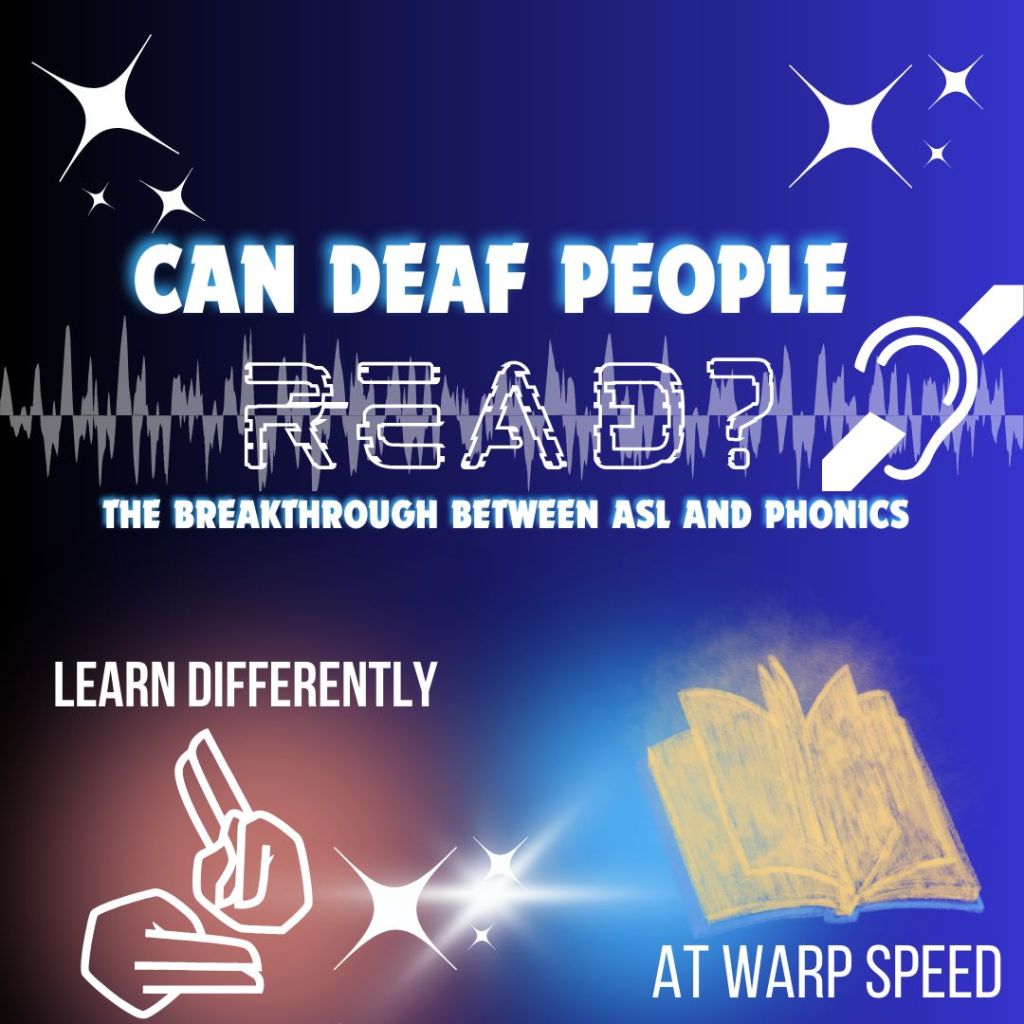
Can Deaf people read?

How do they understand?
In the year of 1988, I was born. A Deaf baby born to two hearing parents. From the age of two, I began attending WVSD (West Virginia School for the Deaf). I began reading at a very young age. By the age of five, I was writing short stories.
In the early nineties, and years before: Those with disabilities or in need of special education were reformed to a separate institution. The modern IDEA (Individuals with Disabilities Education) Act has brought everyone together, in the most literal sense of the word.
“Blindness separates people from things; deafness separates people from people.”
–Helen Keller
This day and age: Education has evolved to become all-inclusive. To marginalize and “group” has become politically and socially incorrect. The Deaf Schools, Blind schools, Black schools. Even mental institutions; like, The Trans-Allegheny Lunatic Asylum. The segregation could not be tolerated any longer.
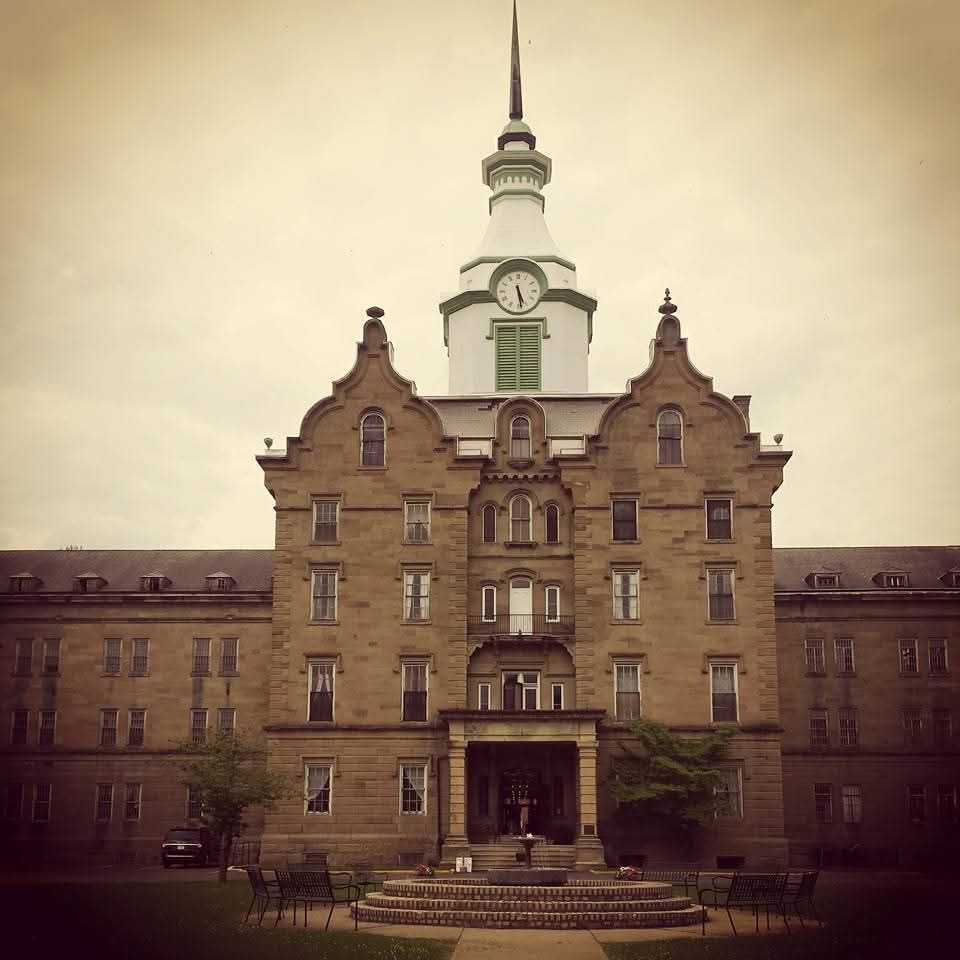
“Separate educational facilities are inherently unequal.”
Brown VS Board of Education (1954)
Before the 20th century, and the push to become all-inclusive. Teachers went door-to-door, soliciting parents to send their child to school. In those days, teachers advertised their methods of discipline. Teaching skills were measured by how they could govern and control a classroom.
In 1600’s Puritan culture: Literacy was highly valued. It was important that each man could read the Bible for himself. New England Massachusetts law passed that parents must educate their child to read. Wealthy families sent their children away for formal schooling/tutoring.
Old Deluder Satan Act of 1647 (1647)
“The same course that is taken in England out of towns; every man according to his own ability in instructing his children”
-Commonwealth of Virginia Governor William Berkeley (1671)
Abbé Charles-Michel de l’Épée, a French priest, was on a mission to win souls for Christ. One night, he encountered two sisters who did not speak, hear, or read. How could he even tell them of the existence of God? Abbé spent time watching and analyzing their hand gestures. From there, he categorized and organized the visual signs. Essentially, this was the very start of what is now known as “Sign Language”.
American Sign Language: Roots and History
Sign Language and Literacy Among the Deaf
Combining ASL, Phonics, and Visual Clues
As a Deaf “Hearing Impaired” child, trying to fit in. Finding my place between two separate cultures. Learning English and ASL simultaneously at the age of two. My path to literacy was warp-speed. I remember snippets of Hooked on Phonics. Finger spelling words in ASL at the age of three. I was reading and writing well before my peers.
Using these methods, that I’ve used for myself years ago. I’ve found these ways to be helpful in teaching children to read today:
Using American Sign Language for Early Learning
Sign the Letter/Make the Sound/Show the Letter
Characters (or letters) are the building blocks of language. Each letter represents a sound. By putting letters and sounds together: You are reading!
Hand Gestures /ASL fingerspelling gives each letter a physical source. By making and seeing the source: there’s an extra layer of recognition.
Learning Sign Language to Teach Reading
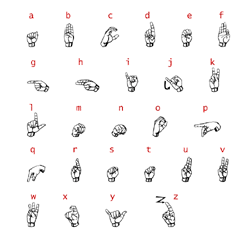
- A -ă or ae
- B- Buh
- C- Cuh
- D- Duh
So on and so forth..and sometimes Y.
By implementing ASL into early learning; reading decoding skills are honed. Confidence is gained through letter recognition. And by sight, sound, and sign: All three shine together for reading excellence.
Teach Your Child to Read Using Phonics and ASL
Children are a gift. Give them the gift of language. Spoken and unspoken.
Reading is as important as writing.
And writing is as important as talking.
Talking is important to listening.
Listening is important to understanding.
Educate your children. Spend time with them. Teach them all the little things. Learn as you go. Do life together. Nurture in nature, treasure connections everywhere.
Nobody has invested more in your child’s best interest than you.
You are so loved ❤️
- The Ultimate Guide to Western PA Fish Fry Culture
- The Ultimate Deep South Roadtrip Itinerary
- 25 Magical Christmas Destinations Near North Central West Virginia (Festive Road Trips)
- 63 Unique Festivals in Southwest Pennsylvania (Food, Music & Weird Small-Town Events Near Pittsburgh)
- 171 Things to Do in Southwest Pennsylvania (Hidden Gems, Waterfalls & Unique Attractions Near Pittsburgh)

- Woojer Vest 4 Review: Can a Deaf person feel everything?

- Guide to Anticonsumption: Buy Less, Create More

- Treasure the Culture: Why Experiences Matter More Than Things
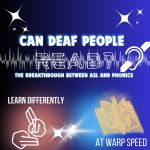
- Can Deaf People Read? The breakthrough between ASL and Phonics
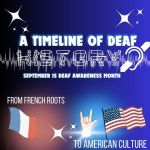
- Deaf History Month: From French Roots to American Culture
- 127 Things to Do in the Potomac Highlands & Allegheny Mountains (Hidden Gems in West Virginia & Western Maryland)

- 17 Road Trip Tips from a Professional Driver (Save Time, Money & Stress)
- The Ultimate New England Roadtrip Itinerary

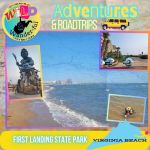
- Appalachian Adventures & Roadtrips: First Landing State Park, Virginia Beach, VA
- First Time Festival Guide: High Hopes Festival, Bedford, PA
- The Ultimate West Virginia Road Trip Itinerary: 800 Miles of Wild and Wonderful Stops
- West Virginia Cryptid Road Trip: Mothman, Haunted Places & Paranormal Stops

- Unique Biking Experiences in West Virginia: Rail Bikes, Hydrobikes & Epic Trails
- 55 Unique West Virginia Festivals: Cryptids, Food, Music & Appalachian Traditions

- Festival Camping Packing List: The Essential Guide for Music Festivals

 Ace Mindset Journey | Appalachian Travel, Festivals, Food & Faith
Leave a comment